AI Agents · November 16, 2026 · 5 min read
AI Agents for Consultants and Professional-Services Firms
In a consulting firm, the billable hours are the product and everything else is overhead. Here is how a professional-services team puts an AI agent on proposals, onboarding, status, and billing.
By The Kolo Team, Kolo AI

The billable hour is the product, and everything else is overhead
A consulting practice lives or dies on where its hours go. The ones a client pays for are the whole business, and every hour spent writing a proposal, chasing a signature, assembling a status update, or reconciling what was billed against what was delivered is an hour that does not. The work around the engagement is real and it has to happen, but almost none of it draws on the expertise a client actually hired you for.
That overhead is exactly the shape of work an AI agent is built to carry. With Kolo, every Team Member gets their own AI employee inside one shared, team-first workspace, so a partner, a project lead, and an operations manager each get help without stepping on one another, and the firm keeps a single record of what went out and who approved it.
Proposals and SOWs that do not stall after the first draft
New revenue often sits still not because the pitch was weak but because the follow-up went cold. A proposal goes out, the prospect goes quiet, and the thread dies on a Friday no one circled back on. An agent drafts the proposal or statement of work from your template and the discovery notes, then keeps the follow-up on the cadence you set, nudging on the schedule a person would if they had the time. You see where every open proposal stands in one view instead of reconstructing it from your sent folder. The agent drafts and chases; you decide what the terms are and when to pick up the phone.
Onboarding that starts the engagement clean
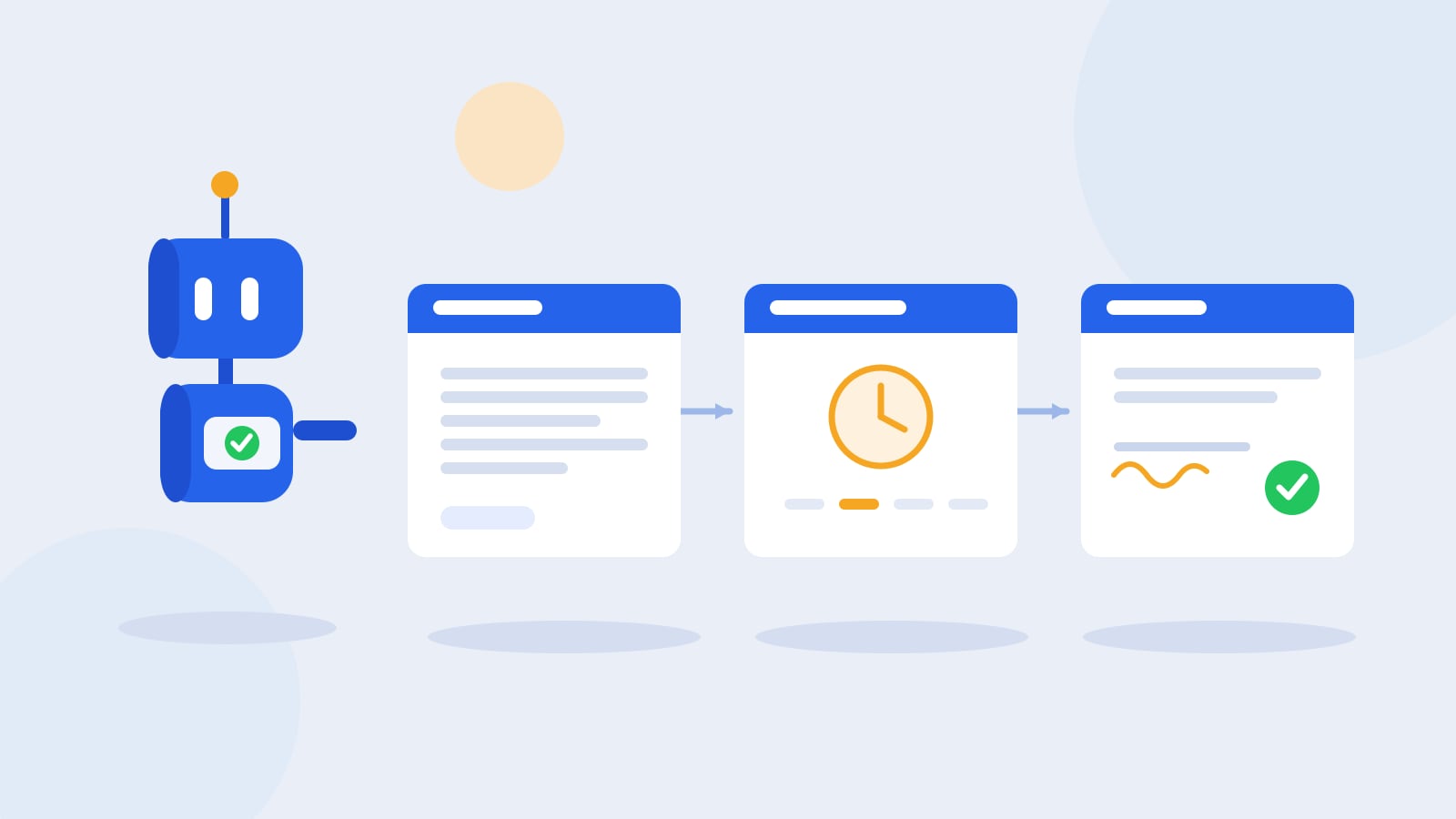
The first two weeks of a new engagement set its tone, and they are usually the messiest: the kickoff to schedule, the intake questionnaire to send, the access and documents to collect, the folder to stand up. An agent runs that checklist, books the kickoff on the right people's calendars, requests what you need from the client, and tracks what has come back, so the engagement starts organized rather than with a scramble. When something is missing or a date will not work, it surfaces that to a person instead of guessing.
Engagement status without the Thursday-night scramble
Most consultants assemble the weekly client update by hand, pulling from a project tool, their notes, and memory, often late and under time pressure. An agent drafts that update from the systems you connect, a clear picture of what moved this week, what is on deck, and what needs a decision, and hands it to you to review before it goes out. The same picture rolls up across every active engagement, so a principal can see the whole book of business at a glance rather than pinging each lead for a readout.
Deliverables and recaps drafted for a human to sharpen
The judgment in consulting is yours; the assembly around it does not have to be. After a client call, an agent can draft the meeting recap and the action list while the conversation is fresh, and it can turn an outline into a first draft of a deck or report for you to shape. The Kolo Calendar connects the Google Calendar or Outlook calendar you already use, and from any event you can ask Kolo to prep you beforehand, pulling the engagement context and the attendees into a short brief so you walk in ready. What goes to the client is still your work; the agent removes the blank-page tax.
Billing follow-up that closes the loop
Professional-services cash flow leaks at the end of the engagement, not the start: time that never got captured, an invoice that went out late, a receivable that aged because no one sent the second reminder. An agent helps capture time against the right matter, prompts when an invoice is due to go out, and runs the collections follow-up on a steady cadence, so revenue you already earned does not sit uncollected. Anything that touches a client or moves money waits for your approval first.
The division of labor is the same across the work: the agent does the legwork, and the consequential moments wait for you.
| Workflow | What Kolo drafts and drives | What waits for your sign-off |
|---|---|---|
| Proposals and SOWs | Drafts from your template, runs follow-up on your cadence | The terms and the send to the client |
| Onboarding | Books the kickoff, requests intake, tracks what is outstanding | Anything that reaches the client |
| Engagement status | Assembles the weekly update from your connected systems | The update before it goes out |
| Deliverables and recaps | Drafts recaps, action lists, and first-draft decks | The version the client sees |
| Billing | Captures time, prompts invoices, runs collections follow-up | Any client message or money movement |
A consultant on every client-facing word
Your reputation travels on what leaves the firm under your name, so the control model is the point, not a footnote. Kolo rates each action low, medium, or high risk and pauses the higher-risk ones for a person to approve, while routine internal steps keep moving. A proposal, a deliverable, a client email, an invoice: those wait for sign-off, and the most consequential actions can require a second approver. Our deep dive on how risk-tiered approvals work walks through the flow, and everything the agent does lands in a full, exportable Audit Trail you can filter by person and action.
Because an agent reaches only the systems you connect and runs under the permissions you grant, you can keep client material on a short leash, which matters when half your engagements carry a confidentiality clause. Pair that with model choice per person or group, and the practice stays both accountable and predictable.
Your method, made durable
The thing that makes a good firm scale is a repeatable way of working, and that method should not live in one partner's head. In Kolo, a workflow you build becomes a Skill: a durable company asset shared across the team. When a consultant moves on, the engagement playbook stays with the firm, and the next hire starts with your process already running.
You do not have to automate the whole practice at once. Start with the point that drains the most non-billable time, which for many firms is proposal follow-up, then widen into onboarding, status, and billing as the pattern proves out. Your people keep the advisory work; the AI employee takes the overhead that surrounds it. To see it working on your own engagements, Book a Demo.
Frequently asked questions
Does a proposal, deliverable, or client email ever go out without a consultant reviewing it?
Not unless you decide to let it. Kolo scores each action low, medium, or high risk and pauses the higher-risk ones for sign-off, so anything client-facing waits in an approval queue while routine internal steps keep moving. Most firms keep approval on every client-facing send and relax it only on internal reminders and drafts.
Can Kolo connect to the tools our firm already runs the business on?
Yes. Kolo works across 150 plus integrations and connects to the calendar you already use through the Kolo Calendar, your email, and your billing and accounting tools. Confirm your specific project, time-tracking, or proposal tool with us before you depend on it, since the native connectors differ by product.
How does Kolo handle confidential client material?
An agent reaches only the systems you connect and runs under the permissions you grant, and every action lands in an exportable Audit Trail. Treat it like a new associate: grant the least access the work needs, keep approvals on sensitive actions, and widen deliberately.
We are a three-person shop. Is this only worth it for large firms?
No. Each person gets their own Kolo inside one shared workspace, so a solo consultant, a boutique, and a larger practice all fit. The workflows you build become shared Skills, so your method runs the same way whether you win one engagement this quarter or ten.